Home | News & Blog | Are Reviews Still Relevant in Business?
There are many different views on this topic. Let’s discuss some of the pros and cons.
They play a crucial role in shaping company profile, trust and working relationships, influencing customer decisions, and if used correct, improving products or service quality.
A few reasons why it does matter:
- Customer Trust & Credibility – Positive reviews build trust and credibility, making potential customers more likely to choose your business.
- Influence on Purchase Decisions – Many consumers check reviews before making a purchase. Good reviews can drive sales, while negative ones can deter customers.
- SEO & Online Visibility – Reviews impact search engine rankings, helping businesses appear higher in search results.
- Business Improvement – Reviews provide valuable insights into customer experiences, helping businesses improve products, services, and customer support.
- Competitive Advantage – Companies with better reviews stand out from competitors and attract more customers.
- Brand Building – Responding to reviews (both positive and negative) shows that a business values its customers and is committed to providing good service.
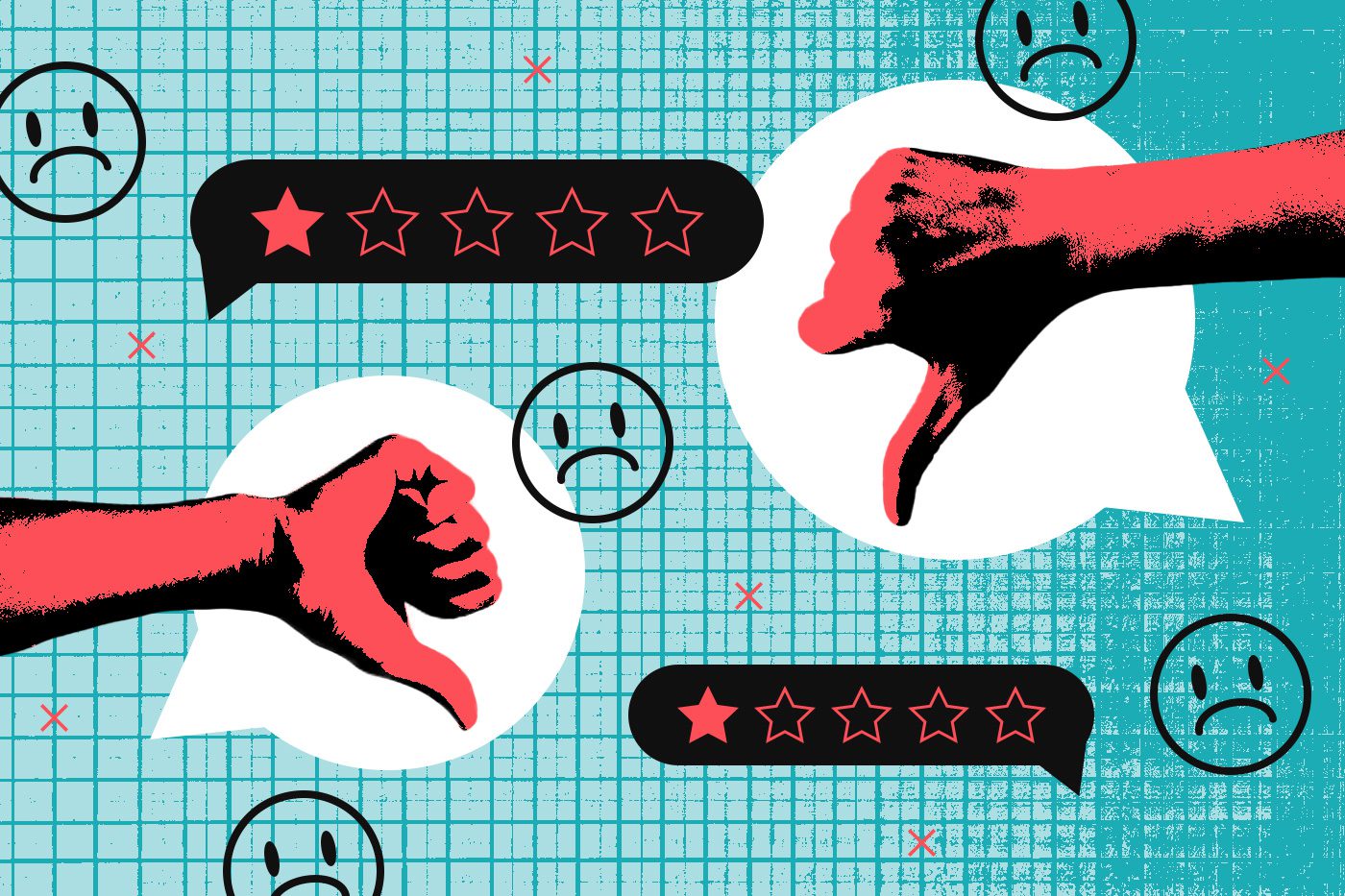
The above points are all great if reviews are used for the specific subject point. However, what about the reviews that are used negatively!
Here are a few examples of how reviews can impact a business negatively:
- Fake reviews - Fake reviews can be misleading, damaging to the overall brand, and extremely disruptive to the general positive flow. Having to justify the review by ensuring a clear and precise response can be exhausting and raises insecurities in the best of us.
- Unfair Competition - Businesses that use fake positive reviews gain an unfair advantage over competitors who rely on genuine customer feedback. Conversely, fake negative reviews can harm a competitor’s reputation, potentially driving them out of business.
- Financial Losses for Businesses - A company relying on fake reviews may see short-term gains, but if customers realize the deception, it can backfire, leading to bad publicity, refund requests, and a drop in sales
- Loss of Trust in Platforms - If consumers repeatedly encounter misleading reviews, they may stop trusting online ratings and platforms. This can lead to lower engagement, fewer purchases, and damage to the credibility of e-commerce sites.
- Negative reviews used as Blackmail - There have been many instances where a customer has suggested leaving a negative review if a demand is not met by the company. This raises major concerns to the culture of reviews. Some companies can not afford to receive negative reviews as it immediately impacts their service/ product sales. Sadly, if they are blackmailed by a review source, they tend to bow down and agree to the client terms. Surely this shouldn't be acceptable?
Platforms such as Trustpilot and Google, amongst many others, allow the user to contest a review if they feel it is falsified or not relevant to the company. However, if you have had to go through this process, you will find there are allot of obstacles and hoops that need to be jumped through. And even after that, the likelihood of removing a damaging review is extremely slim.
Responding to a review in a timely and professional manner:
Responding to reviews weather they be positive or negative in a timely and professional manner is crucial. To respond to reviews professionally, always thank the reviewer for their feedback, acknowledge their concerns, apologize if necessary, offer solutions if applicable, and maintain a polite and respectful tone while addressing specific points raised in the review, ensuring your response is personalized and timely.